The 12 hours of Octopath Traveler starting stories

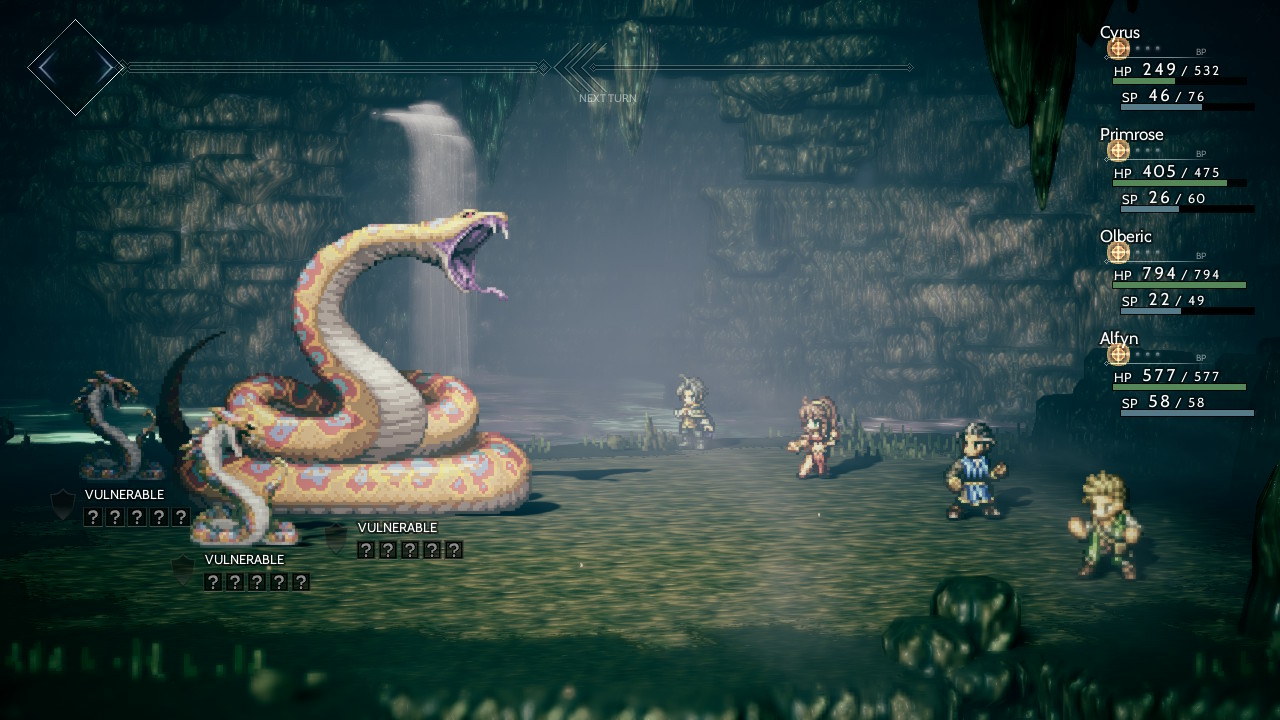
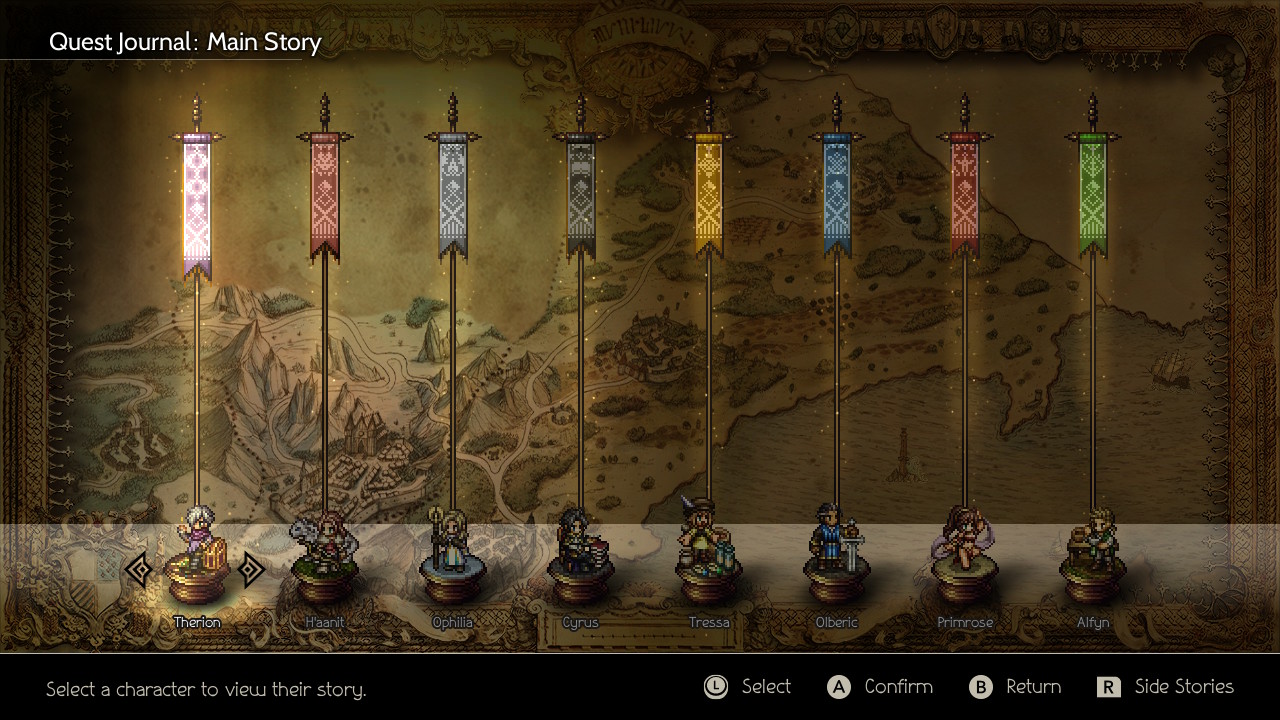
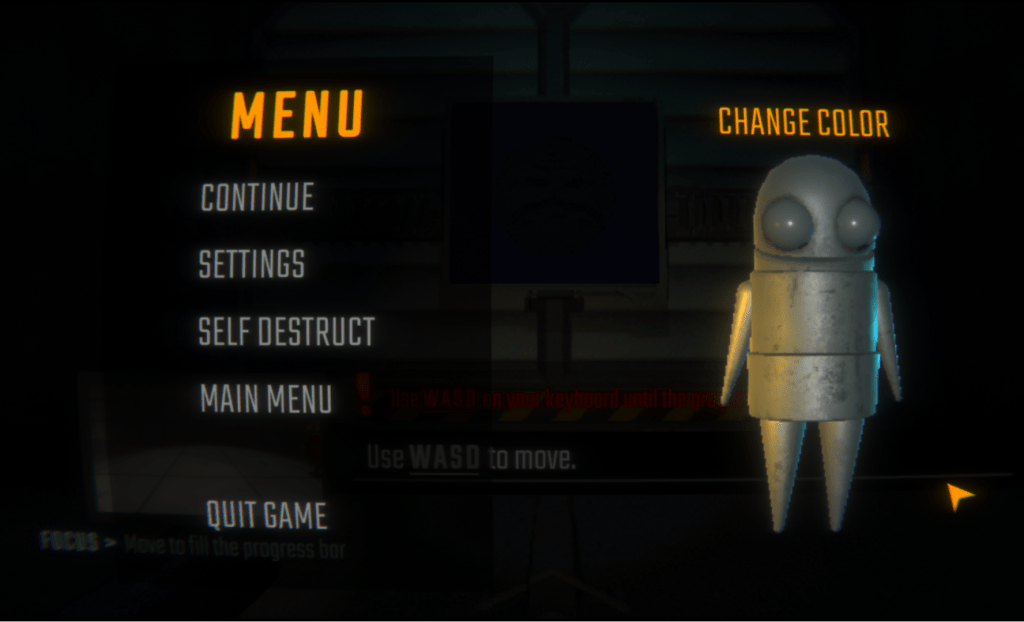
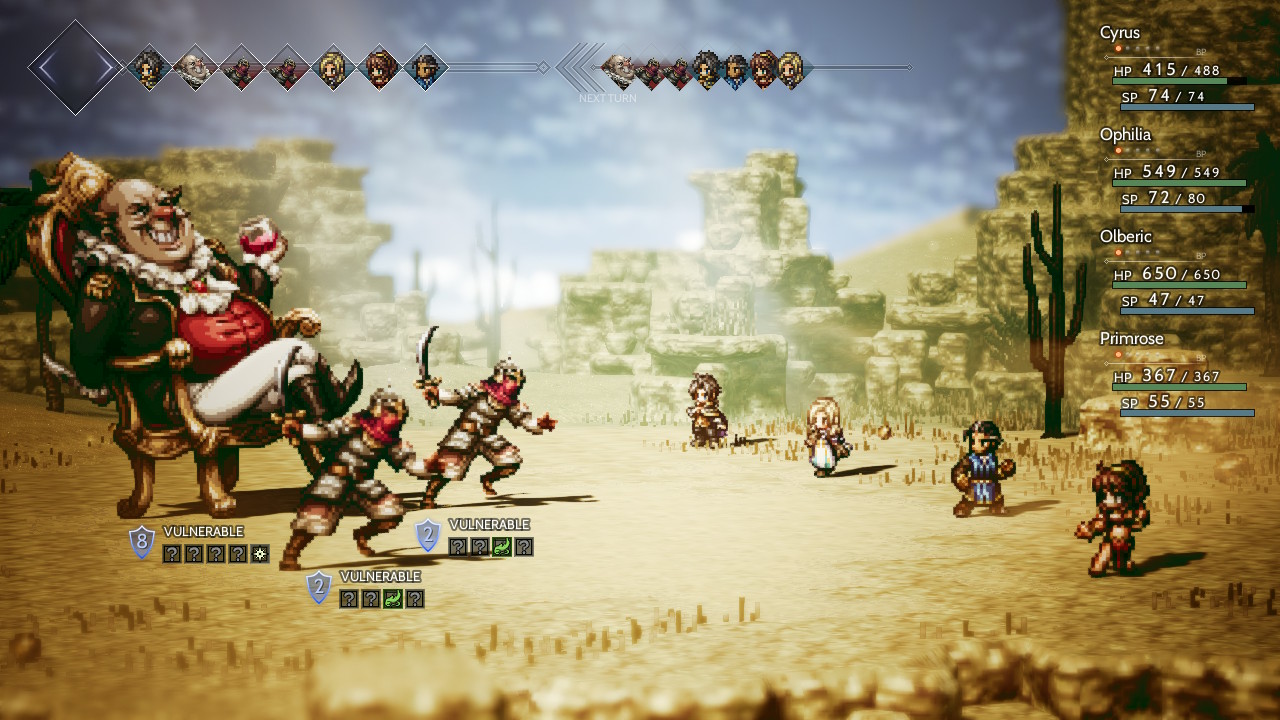
Recently I had to travel for a very long time, so I thought to myself, that this would be a great opportunity to finally get my hands on Octopath Traveler on Switch. It’s an adorable-looking game, a top-down, pixel RPG. The central point of the game is that there are 8 characters with their own stories that travel together. So, naturally, I had to get every character to see their stories, right? Now, you could just stick to 1 character and do it in isolation, I suppose, but that’s not how I roll. I must have it all. Every character has an initial story stage that introduces that character.

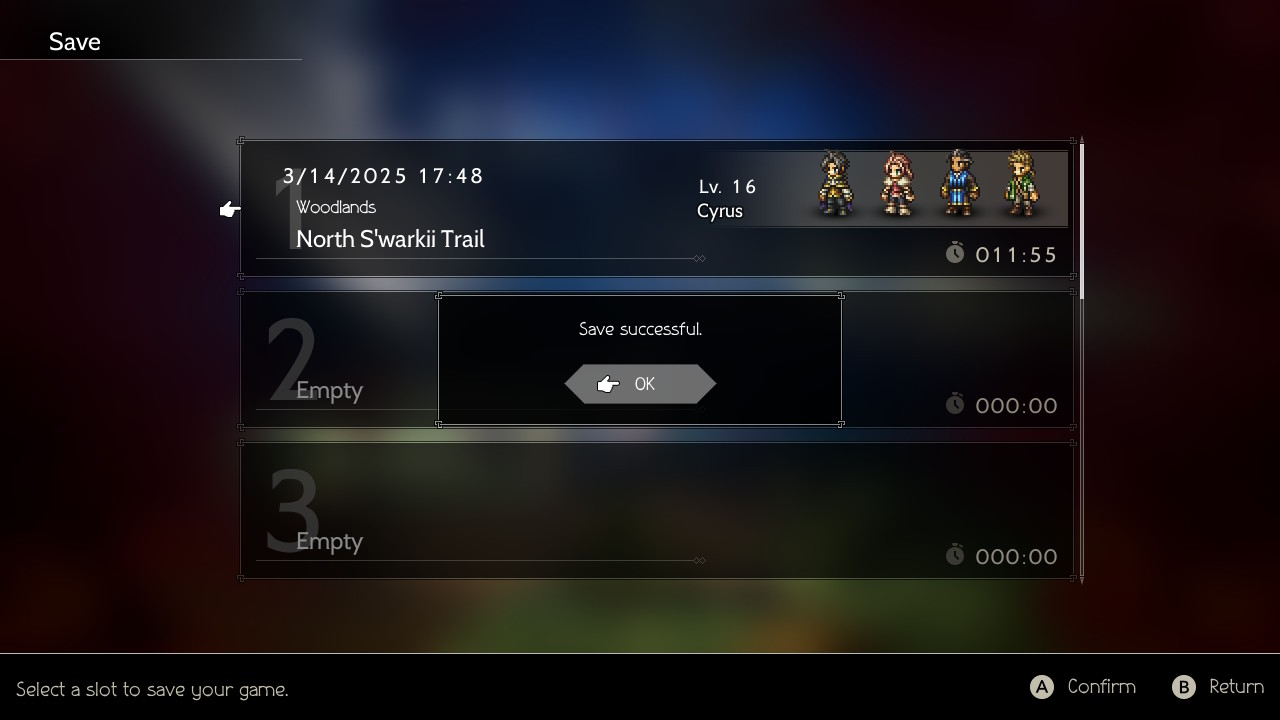
Long (very long) story short, it takes around 12 hours to get through, what I see as, the introduction to the game from all the characters’ perspectives… Now, there is a way to skip some of this, but the full experience of Chapter 1 in 8 perspectives is freaking 12 hours long. By the end of chapter 1 I was already done travelling, so who knows when I will get around to continuing this grind-fest. But this kinda prompts a question: how much time is a good amount of time for the introduction of the game?

A shout-out to Genesis Noir

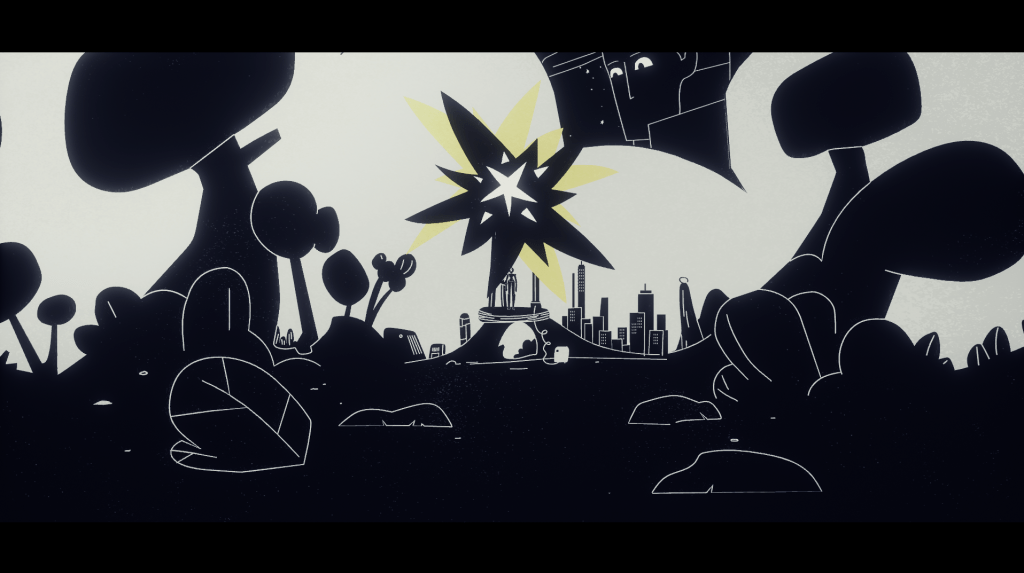
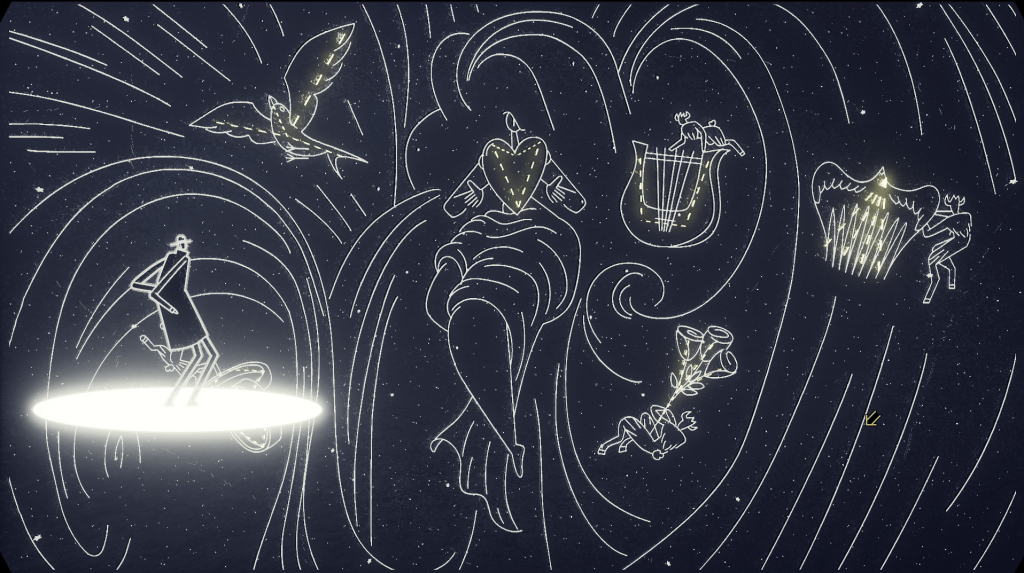
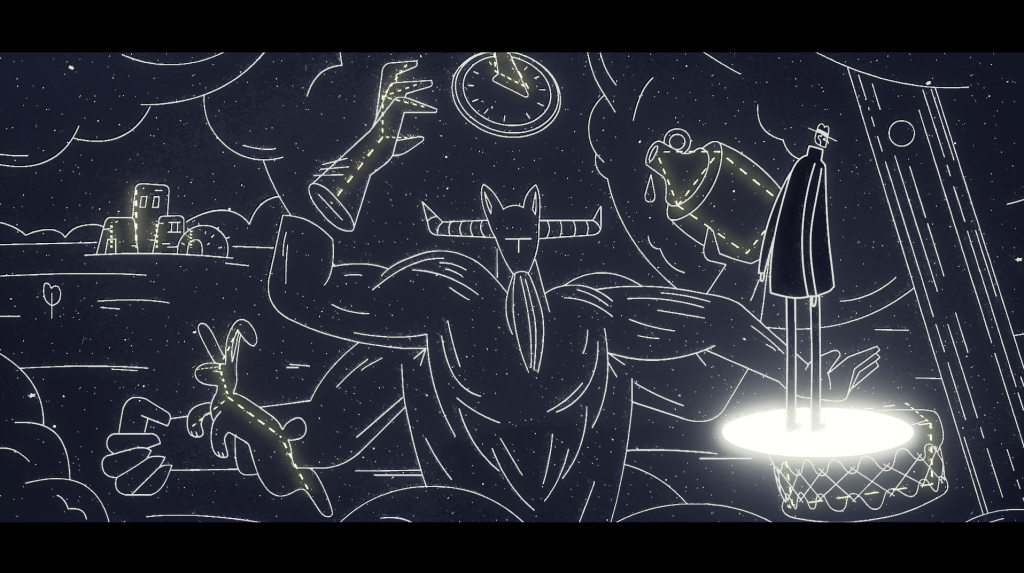
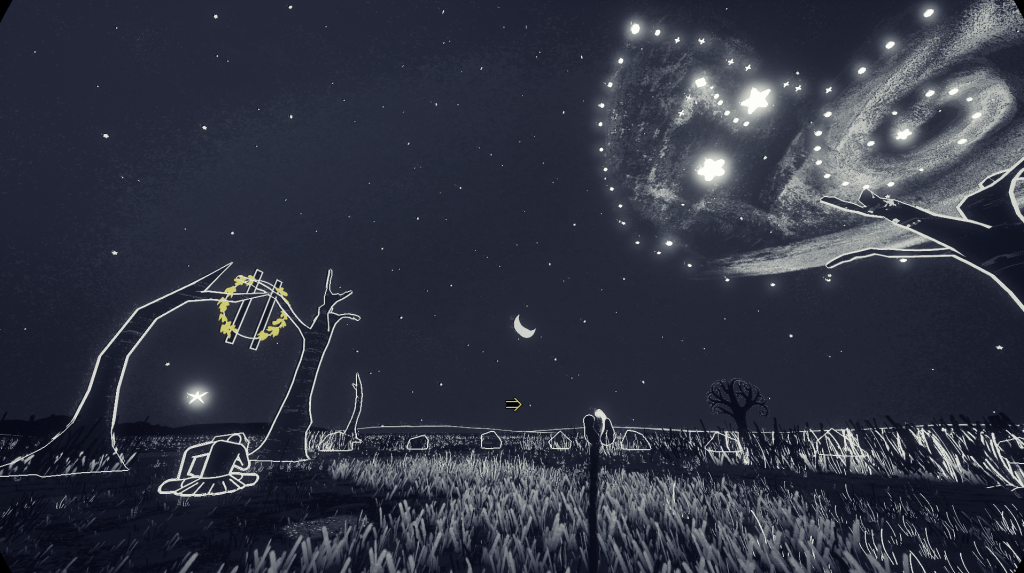
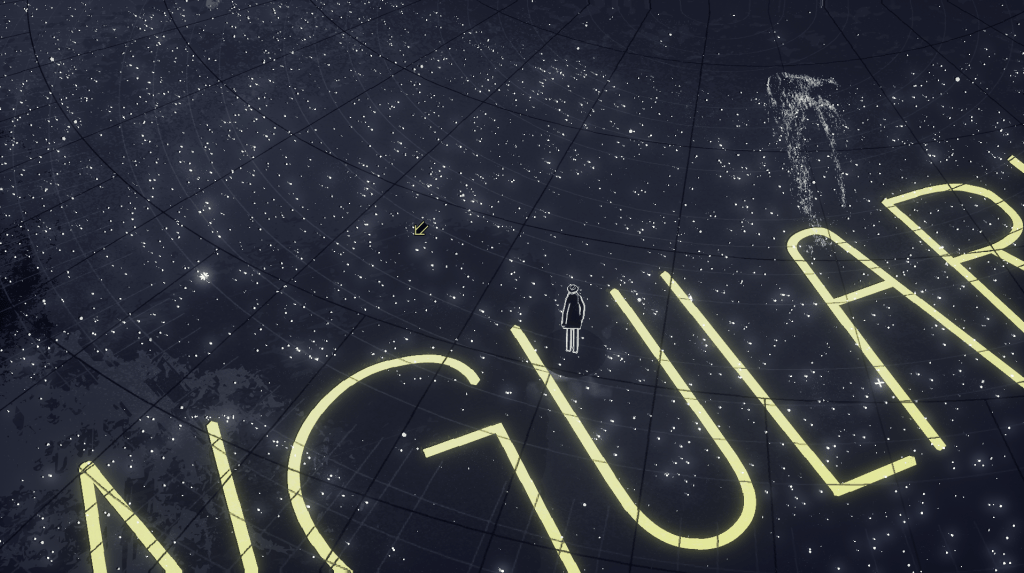
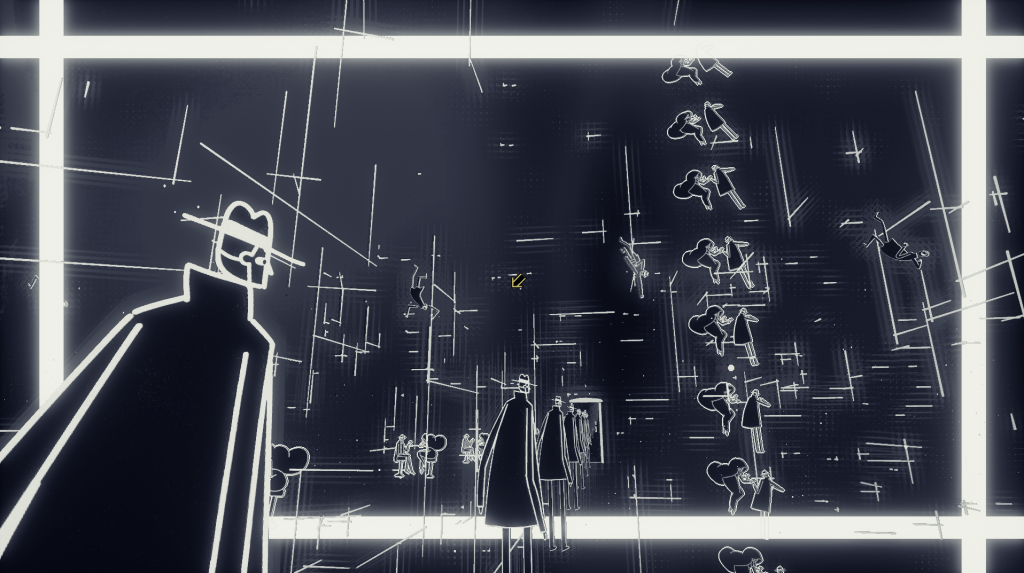
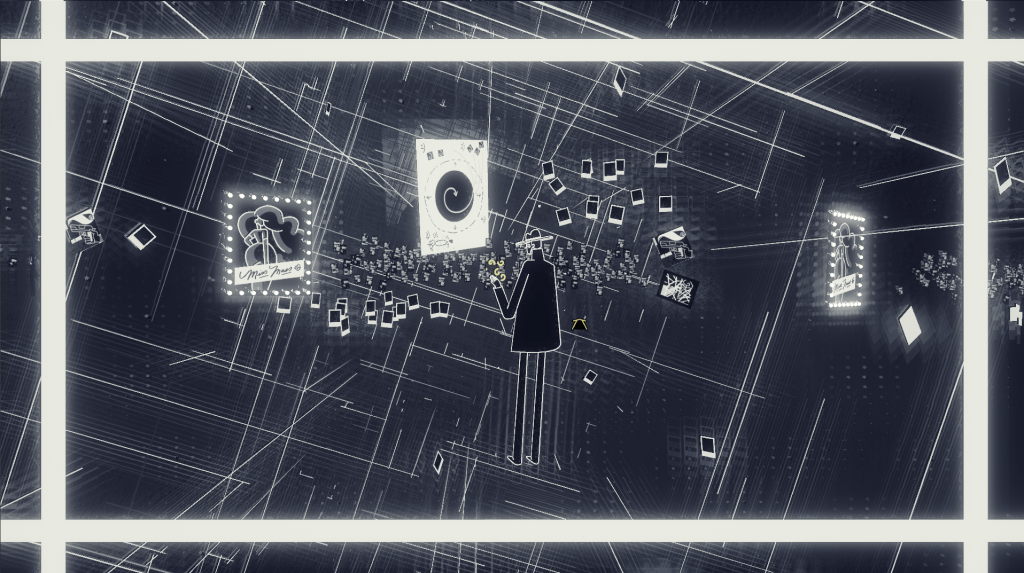
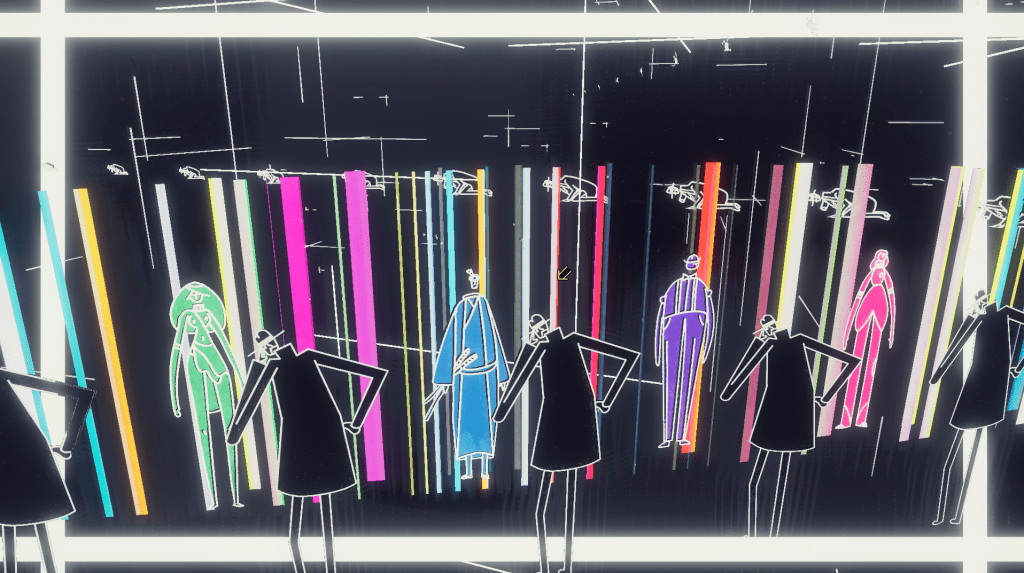
I wanted to make a note of this little point-and-click gem named Genesis Noir. It’s a game where a simple graphic style tries to explore the higher concepts of human nature and the universe.

I currently teach graphics to high schoolers and I often find that there is an obsession with a high amount of details and a high quality of graphics. Which is besides the usual obsession for perfection of your typical artist. And while it is admirable to strive for these things, there are so many games out there that achieve interesting experiences with minimalistic visuals. I find that it is more important to find a consistent style.

The obsession with high levels of graphics is one of the biggest fallacies of big industry companies which has been happening for decades nowadays (“Look, you can see every grass blade move in our new game!” or “We are really utilising the power of the graphic card to the maximum!”). But then you stumble upon these small games that deliver an amazing experience with a great and comprehensive story while using a simple approach to visuals. Don’t get me wrong, this game does a lot with the visual tools it has, but it succeeds with some minimal line art most of the time. From the earliest comprehension of the humans in their little world to the heat death of the universe; time and space, beliefs and advanced physics – all achieved with a few lines and a clever use of the game engine.

Lethal Company – the latest black

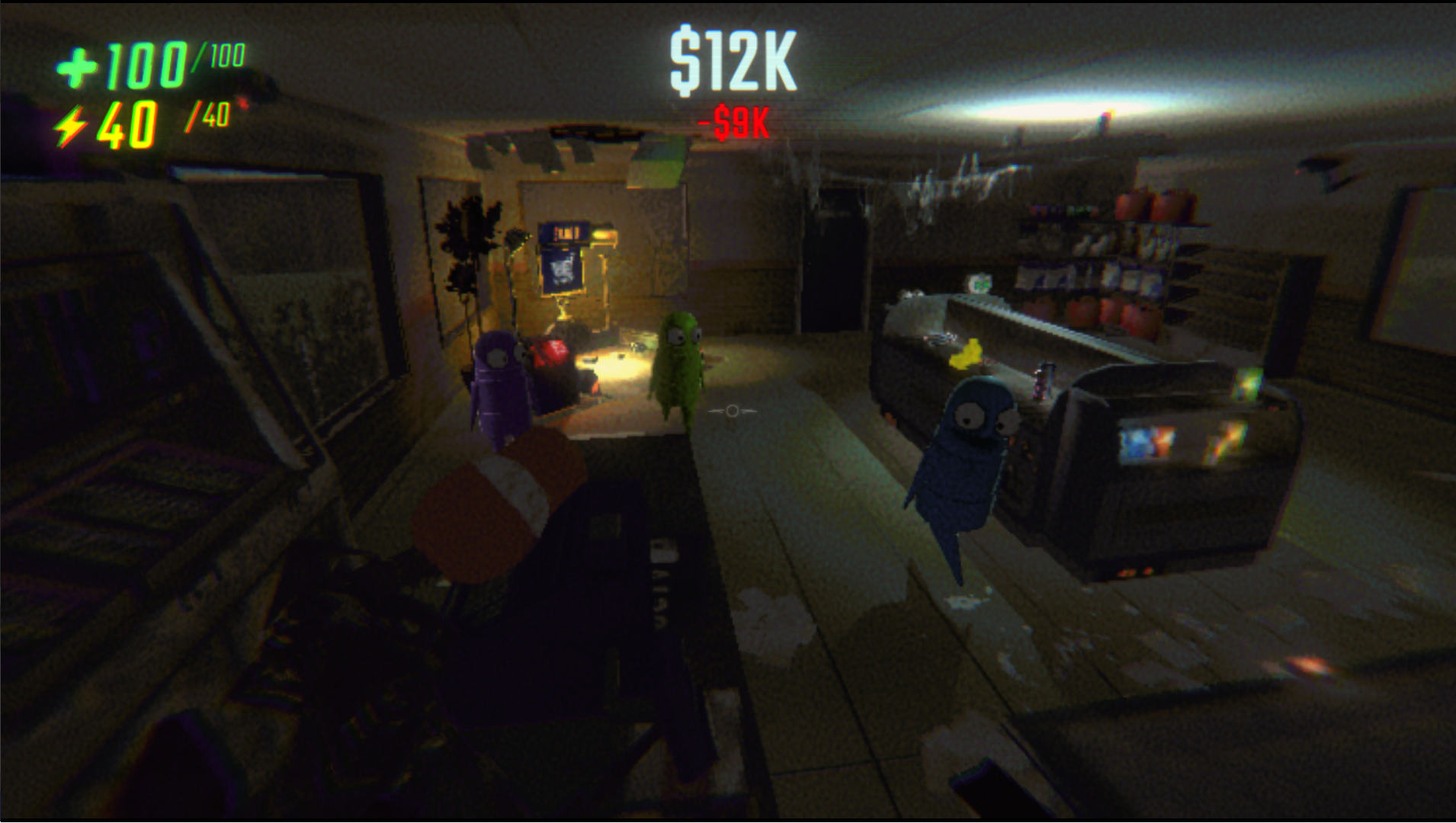
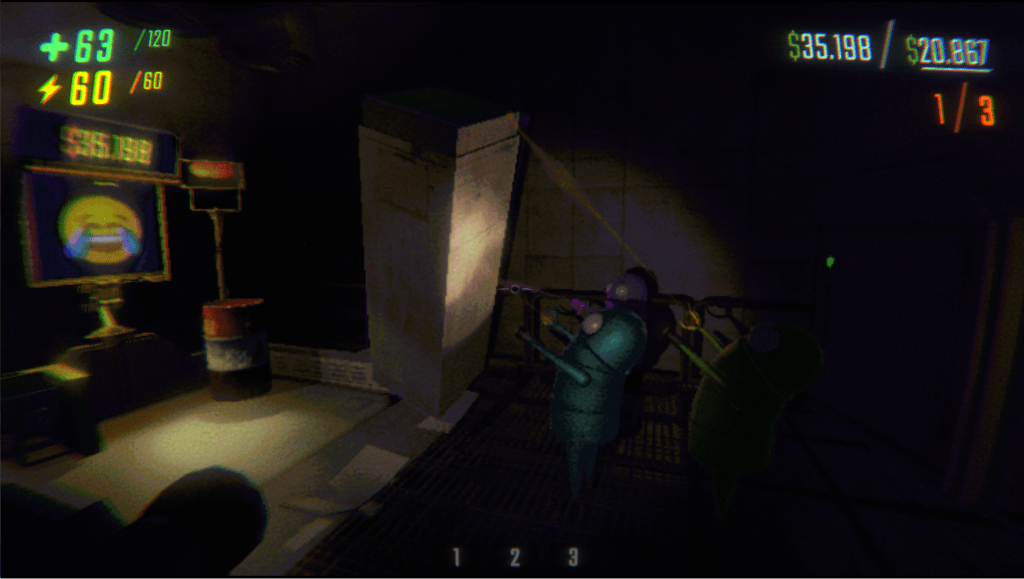
“Hey, you wanna play that latest game that is like Lethal Company? No, not Content Warning. No, not Pilgrim. Yes, R.E.P.O, that is the one!”

The gaming industry currently seems to be on fire when it comes to bigger and older companies with one closure after another. Yet the smaller studios with smaller projects are blooming here and there. Good concepts are being latched on to and quickly iterated. This is, of course, a perspective from the outside since each iteration I try, as a consumer, takes a lot of time and resources to create. The developers usually have only one chance to get things right. The latest in the trendsetting was Lethal Company which gave life to Content Warning, Pilgrim, The Headliners, N.E.P.O (my personal favourite currently). A friend of mine just put out his own solo project Demining on Steam.

And then again, one could argue that the real predecessor to the horror/coop was Phasmophobia (still in early access with a whooping 600k reviews). But by observing this iterating creativity we could safely say that there is a good demand for coop/horror games at the moment. What trend will be next in line? A couple of years ago it was about battle royale…

Dave the Diver and pixel sushi bananza

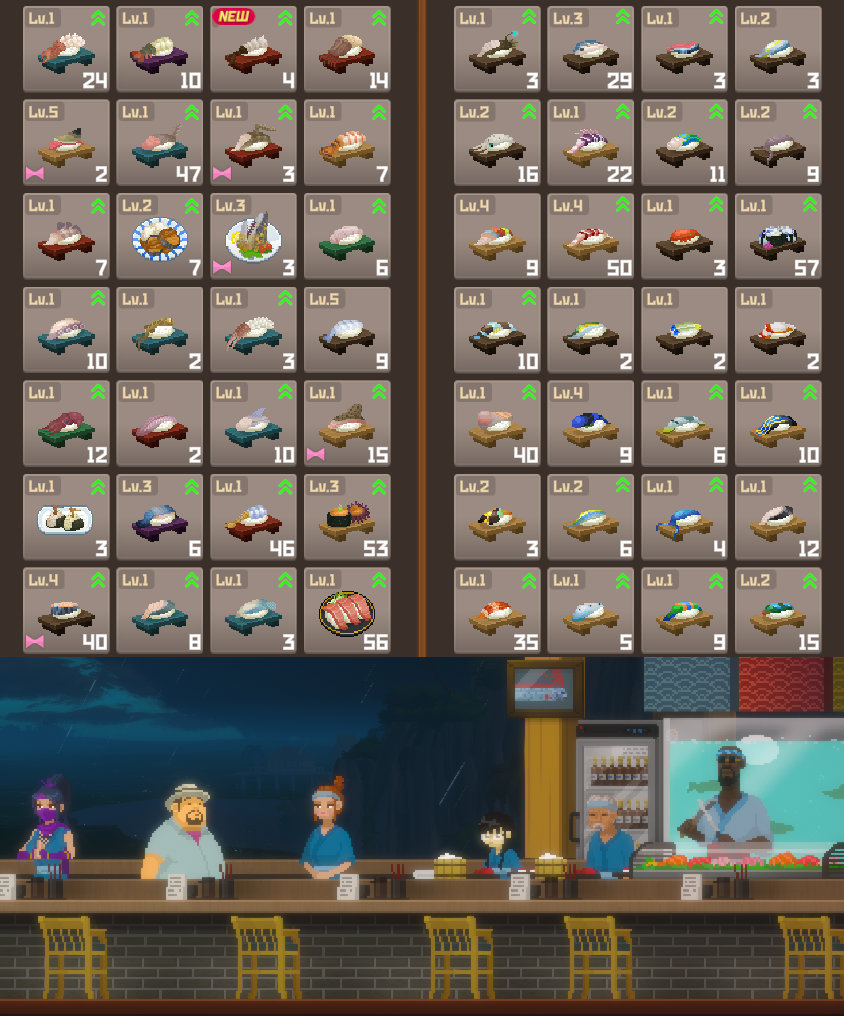
Imagine being an artist and someone in production telling you: “Now we need you to make 100 different pieces of pixel sushi”. What a dream scenario, personally 😀

This post is mainly a tiny homage to all that pixel sushi in the game.

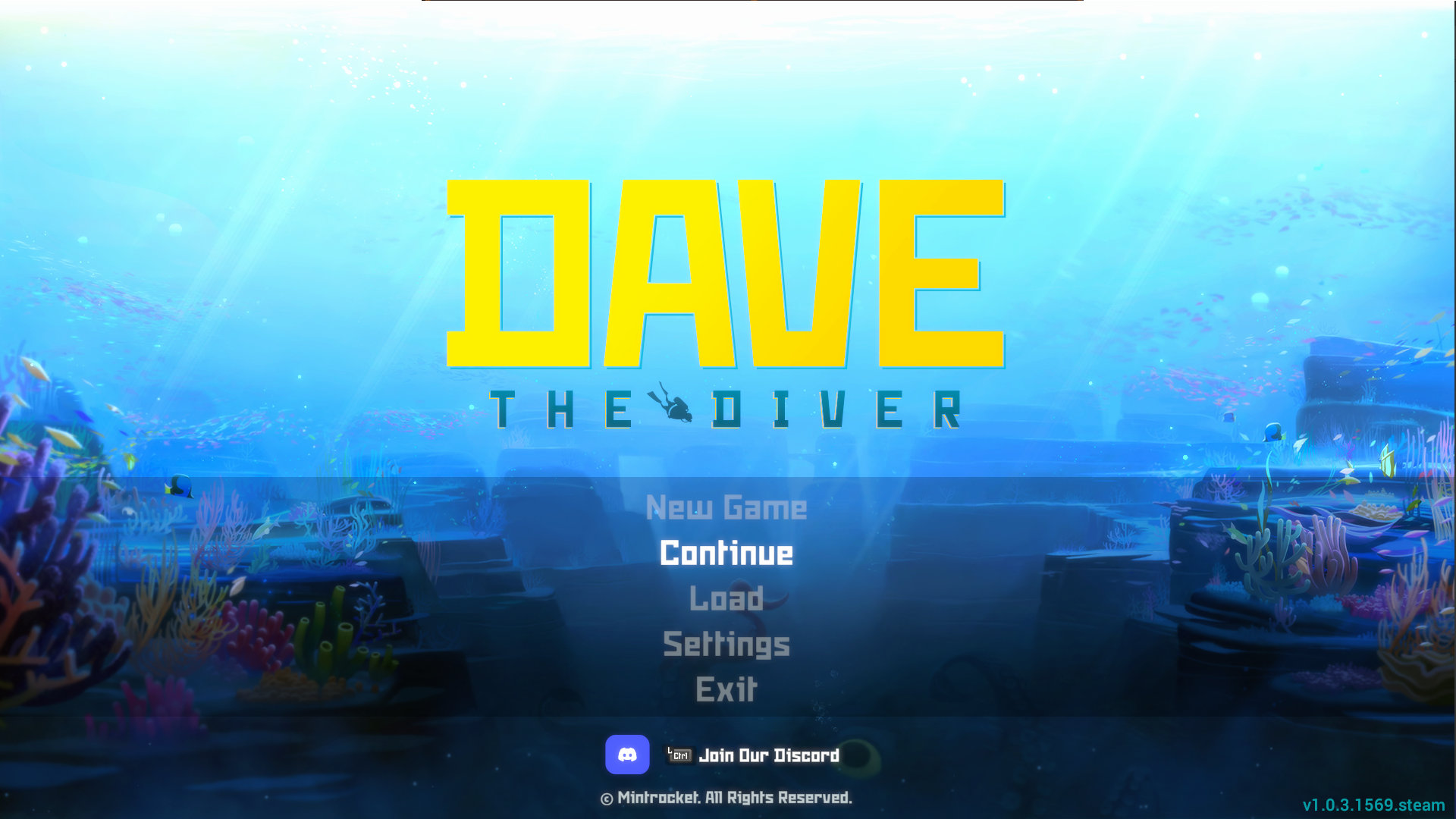
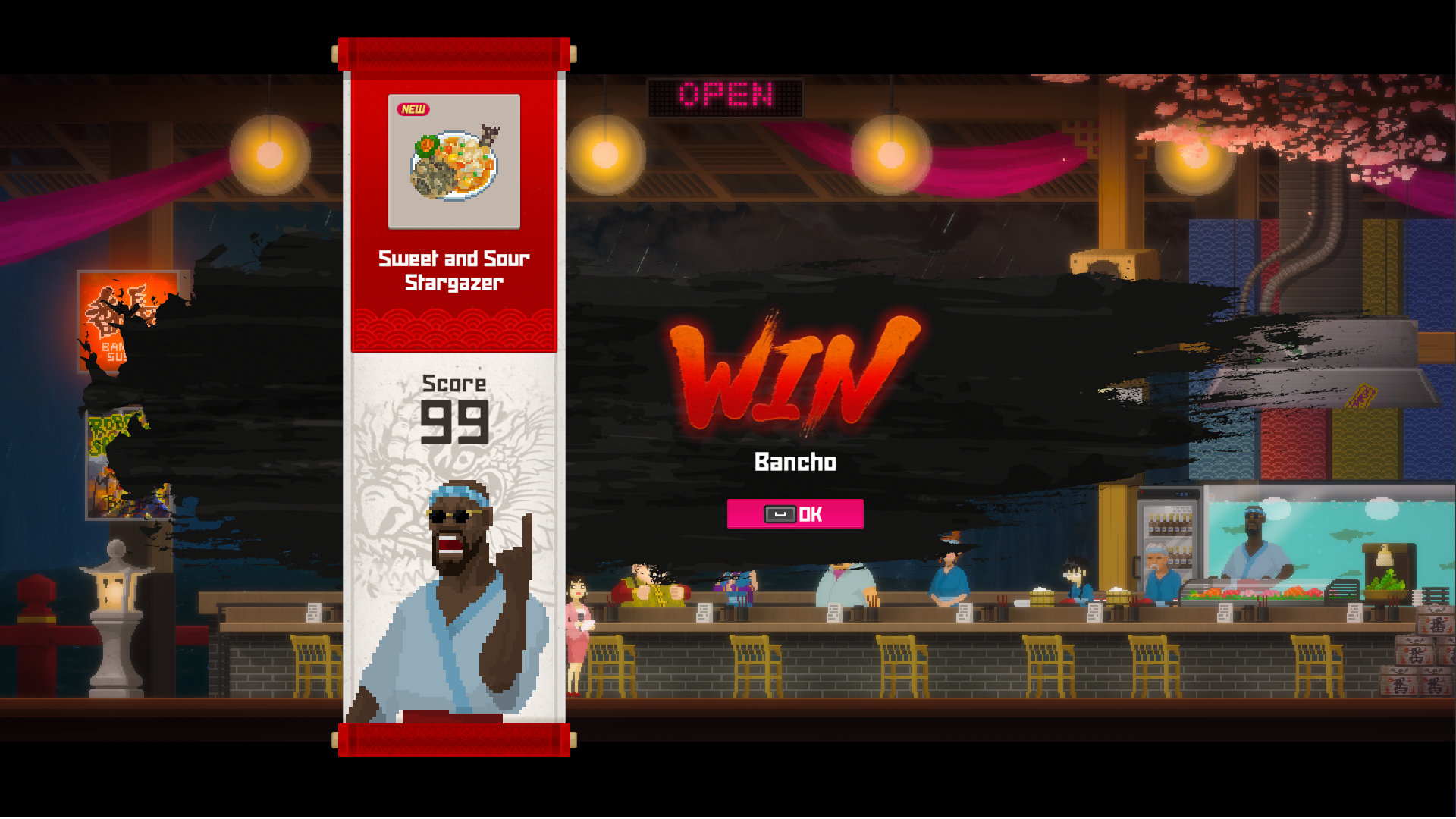
Dave the Diver was a delight to play – great pixel art, funny references, and multiple game mods with entertaining mechanics that keep the experience fresh. I am pretty sure I will replay this game later, just for the fun of it. Cheers to Korean developers for this cool game.

To AI, or not to AI – that is the question.

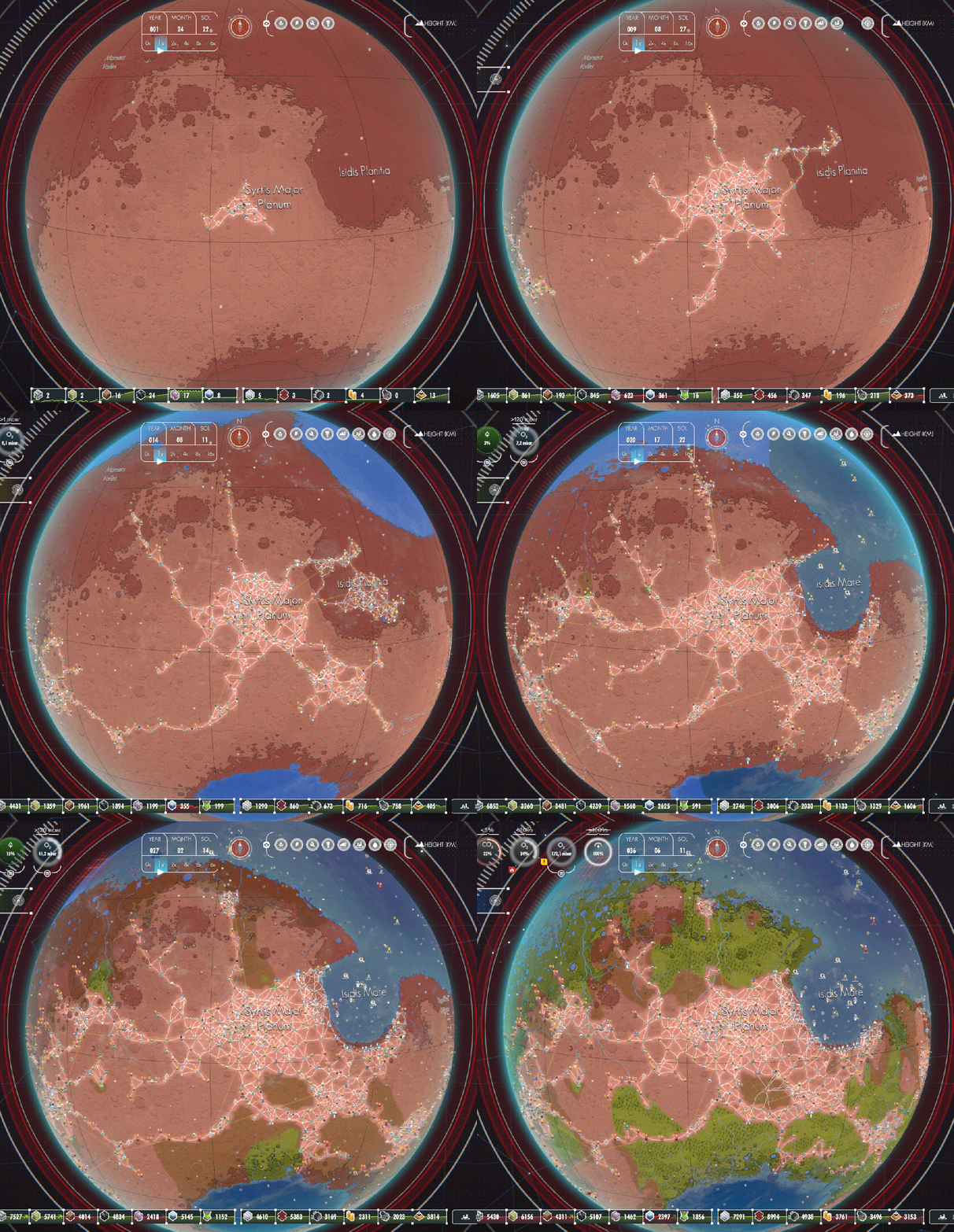
Recently, I’ve played Per Aspera and it was a nice take on good old Settlers with a slick futuristic UI and a theme of Mers colonisation. The gameplay does get a bit repetitive after a while, but what kept me engaged was the story: you are an AI tasked with the terraforming of the planet. You have to keep reflecting on practical and philosophical conundrums as the game progresses.

This was a great depiction of an AI personality since currently the term “AI” is being diluted by the introduction of image and text (and code, I think?) generation engines on which companies slap the word “AI”. I won’t argue that companies introduce some complex products, but I personally don’t view those as AI. It turns out that there is actually something called the “AI effect” – the tendency to not consider something an AI once it is well understood. Without going into a philosophical discussion about this I will just say that Per Aspera definitely got me pondering on this topic a lot.

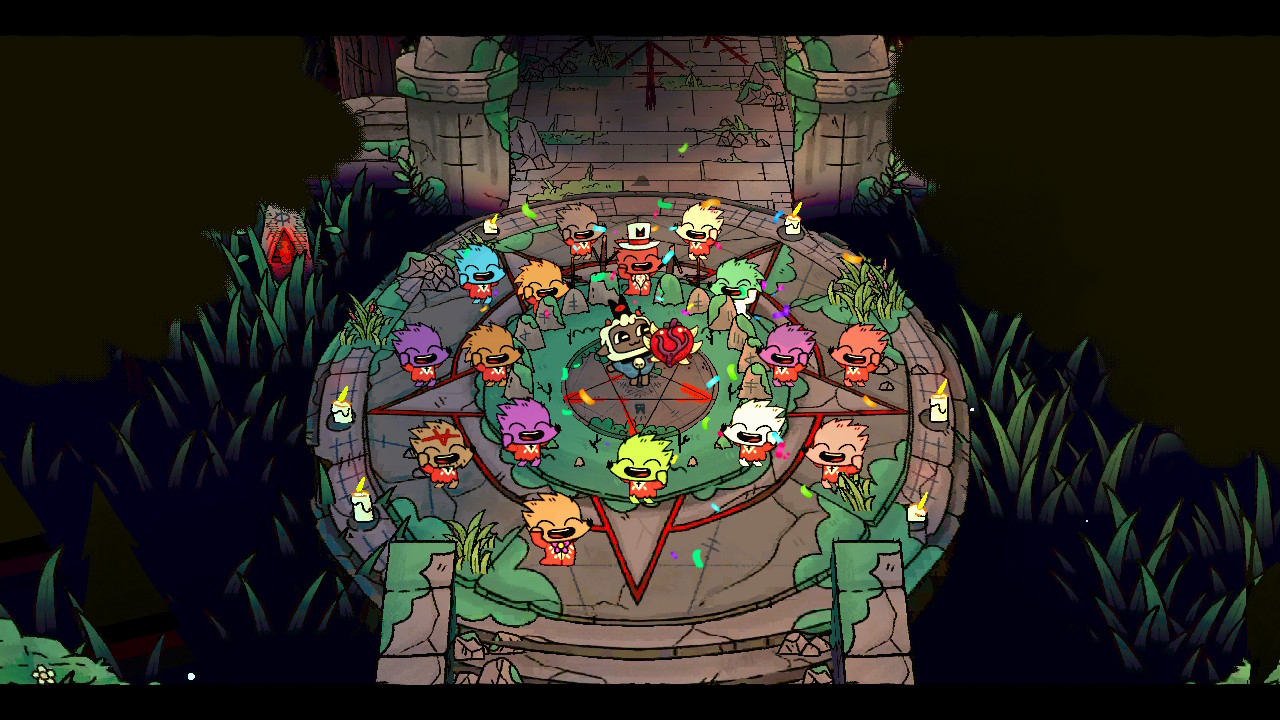
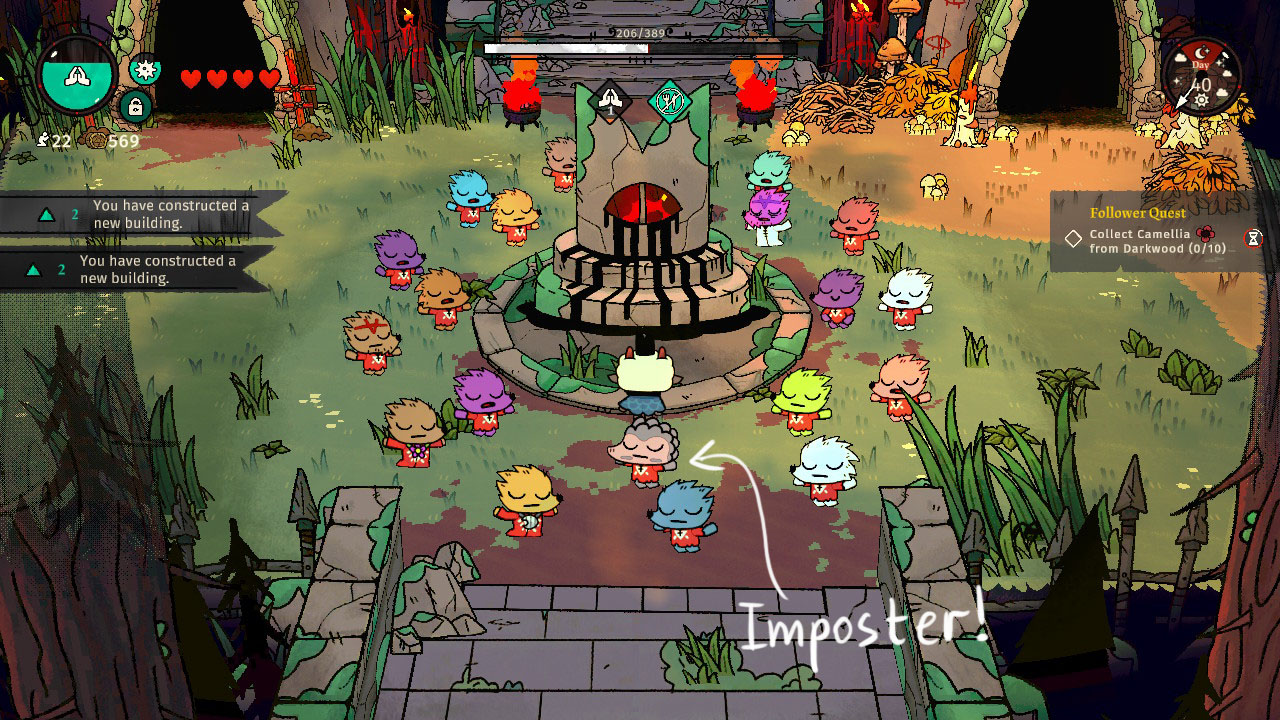
Cult of the Lazy Hedgehogs

What do we have here?
Nothing much… just a game with significant religious undertones/references about sacrificing cute anthropomorphic animals. From what I’ve heard the dev started with human models, but then thought this might be too… close for comfort.
But if you like Binding of Isaac with some settlement management aspects, you might want to try this game. It’s cute and eldrich. The name of this gem is Cult of the Lamb.

A recipe for a wait-to-play game.

You’ve probably heard about or played a game that has a “wait-to-play” mechanic. If you don’t want to spend money, you’re going to have to be patient.
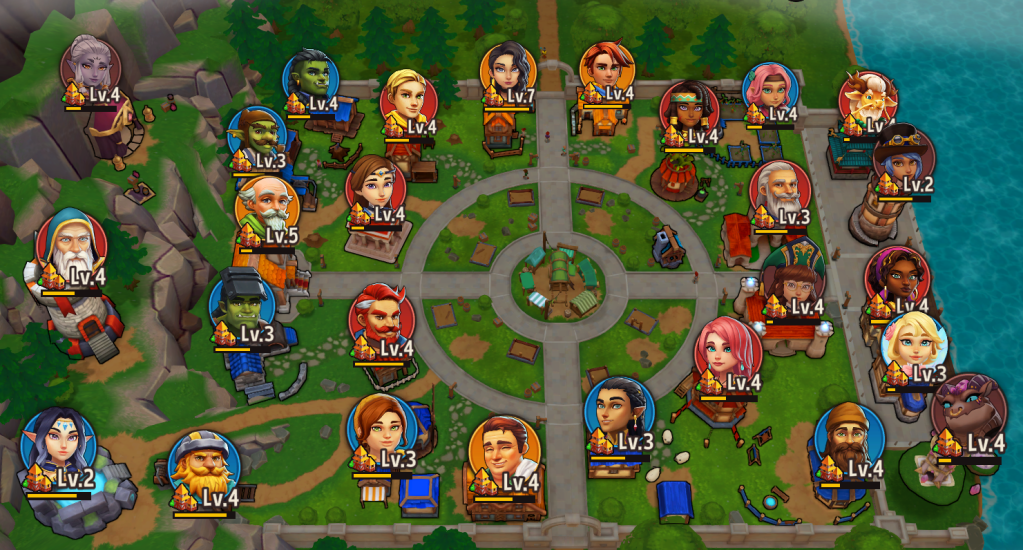
During the summer Epic Games Store had an offer for a game called Shop Titans. I was curious to see how they implemented the reward since the game itself is free. This game is just a 3D version of Shop Heroes. And before that game, there was Swords & Potions 2 on Kongregate (and I assume there existed Swords & Potions 1 at some time). Fun fact: Swords & Potions 2 seems to be gone from Kongregate now and instead there is a tool kit of the game, which appears to be the entire art and code version of the game. So if you want to make your own copy, it’s easier than ever. And here is a list of attacking your users for their money from every angle:

  • time-limited offers. Daily, weakly, monthly deals.
  • put a literal casino slot machine into the game somewhere. the bigger it is – the better.
  • exclusive pay-to-unlock sections of the game (like shops or crafters), tease the player with their inability to have access to all aspects of the game.
  • premium subscription. Always remind the player that they could have more if only they subscribed.
  • new skins for anything.
  • exclusive skins (see “exclusive pay-to-unlock sections” above).
  • loot boxes and keys, obviously.
  • multiple currencies and all of them can be converted from premium currency.

How long does Hades narrative last?

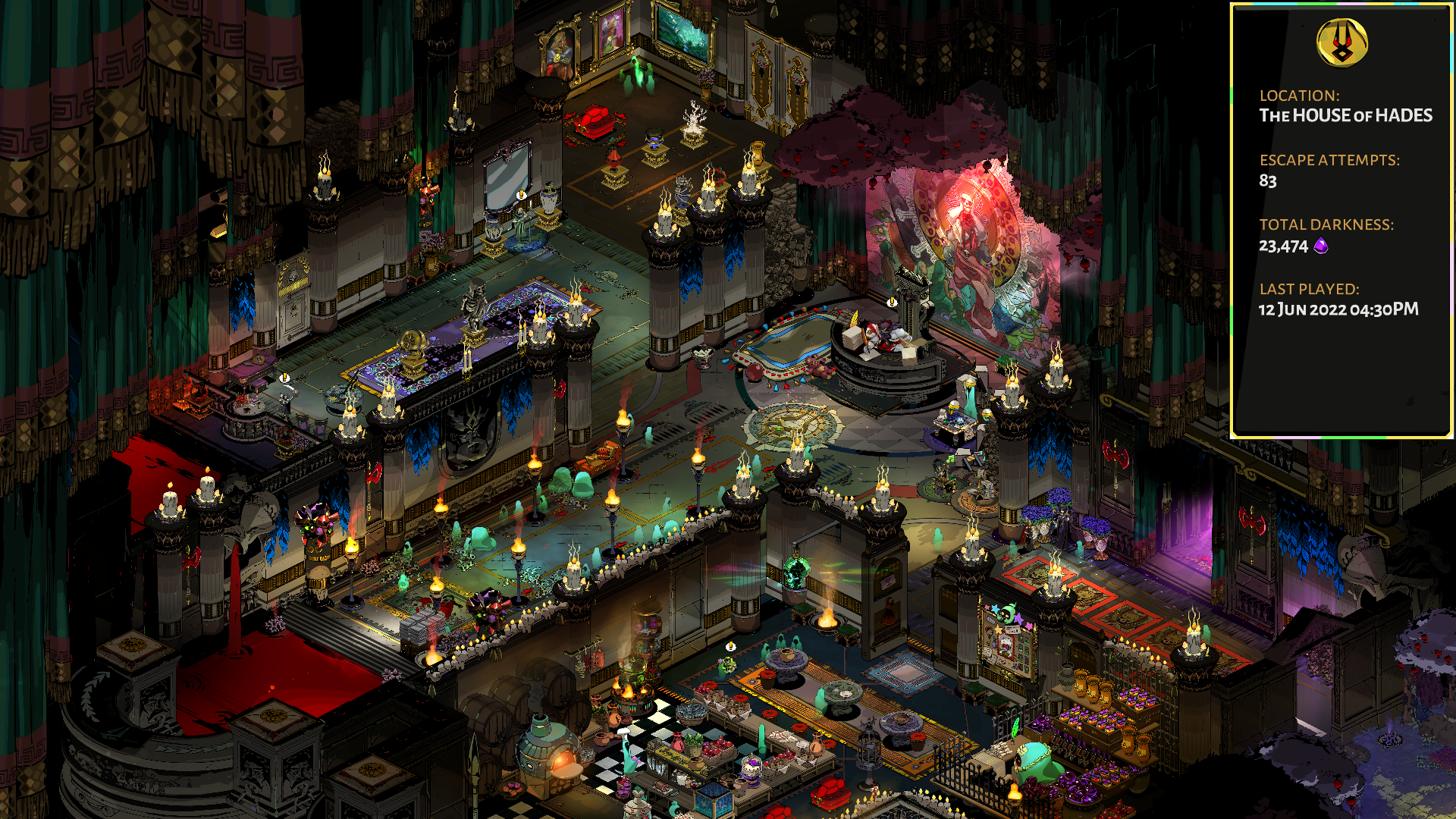
I quite enjoyed dying again, and again, and again in Hades. I can definitely see how Hades got a myriad of awards when it got released. The game has a clever approach to the repetitive aspects of the gameplay through its narrative and enough variety in every run to not get boring fast. But there is a limit, and after around 70 runs the narrative will get exhausted and most of the story surrounding Zagreus, Hades and Persephone will be delivered to the player. But you can always just continue to attempt the escapes for the hell of it (or for the Hades of it?).

In today’s falling standard of released games, Supergiant Games continue to deliver well-polished products, my other favourite game of theirs being Transistor (2014).

The entire meeting could have been an e-mail.

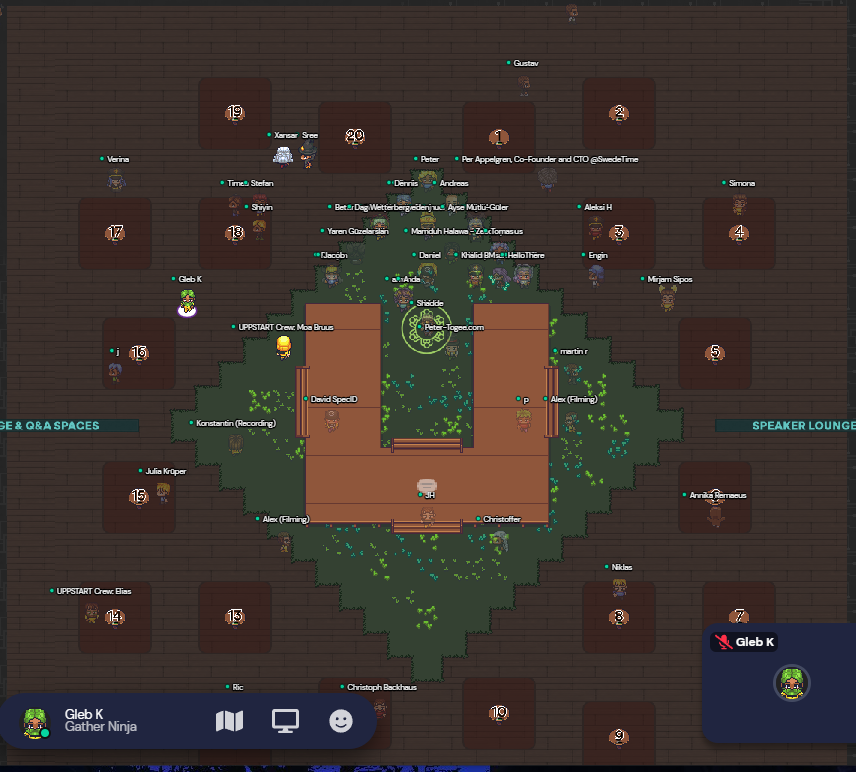
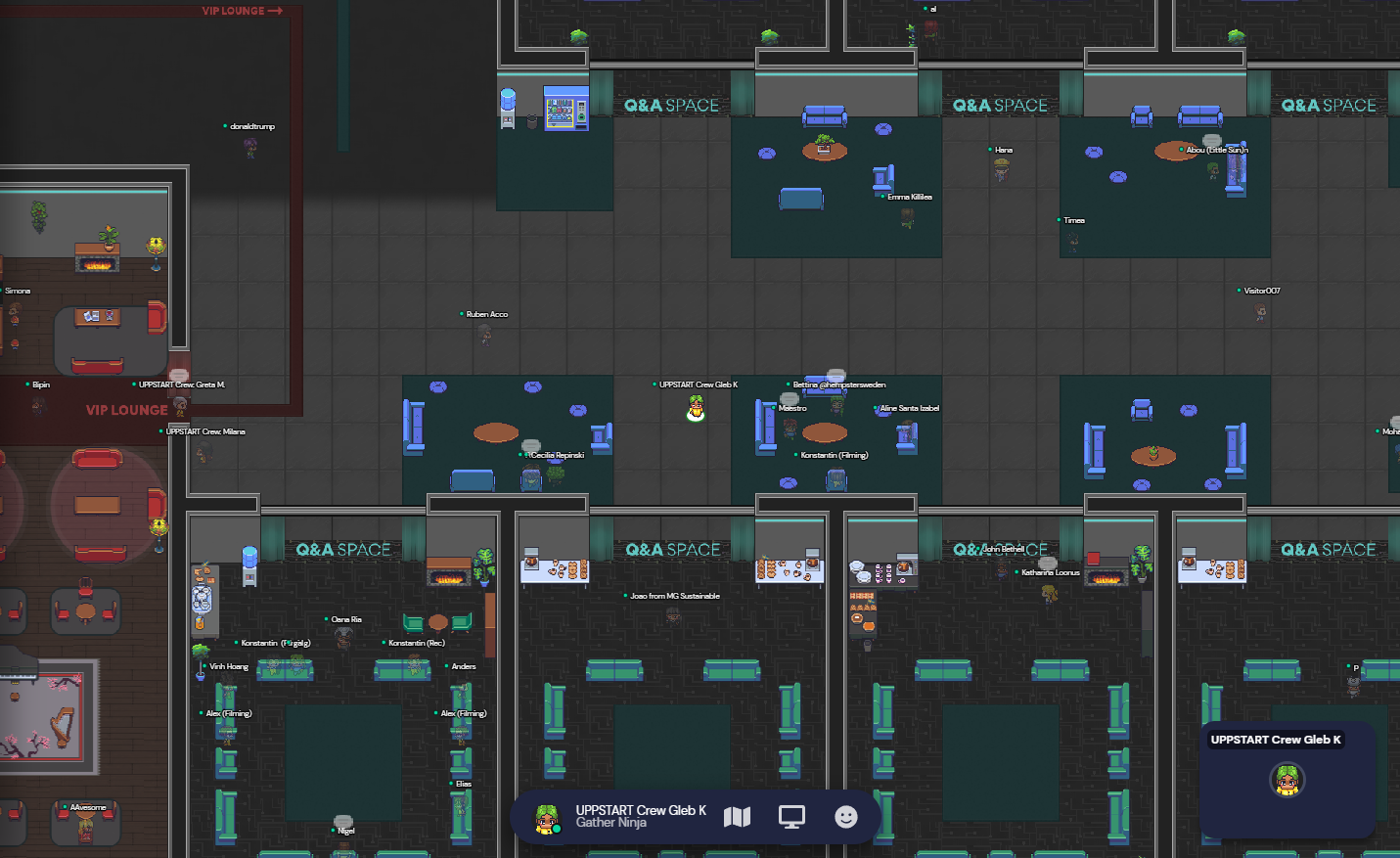
And your entire social event could have been in, for example, Gather.Town.

As the pandemic continues, it is interesting to observe that more people are finding value in what games have been doing for years – simulating the physical presence.

Last month I got to participate in an event for entrepreneurs where my sole job was to explain to people how to move around and where to go. This made me realise that games nowadays rely to the extreme on tutorials, but imagine how many grandmas could have played World of Knitcraft, if only there was a friendly human to assist them at the start? Alas, to see a life GM nowadays in most MMO’s is a rare sight, indeed.